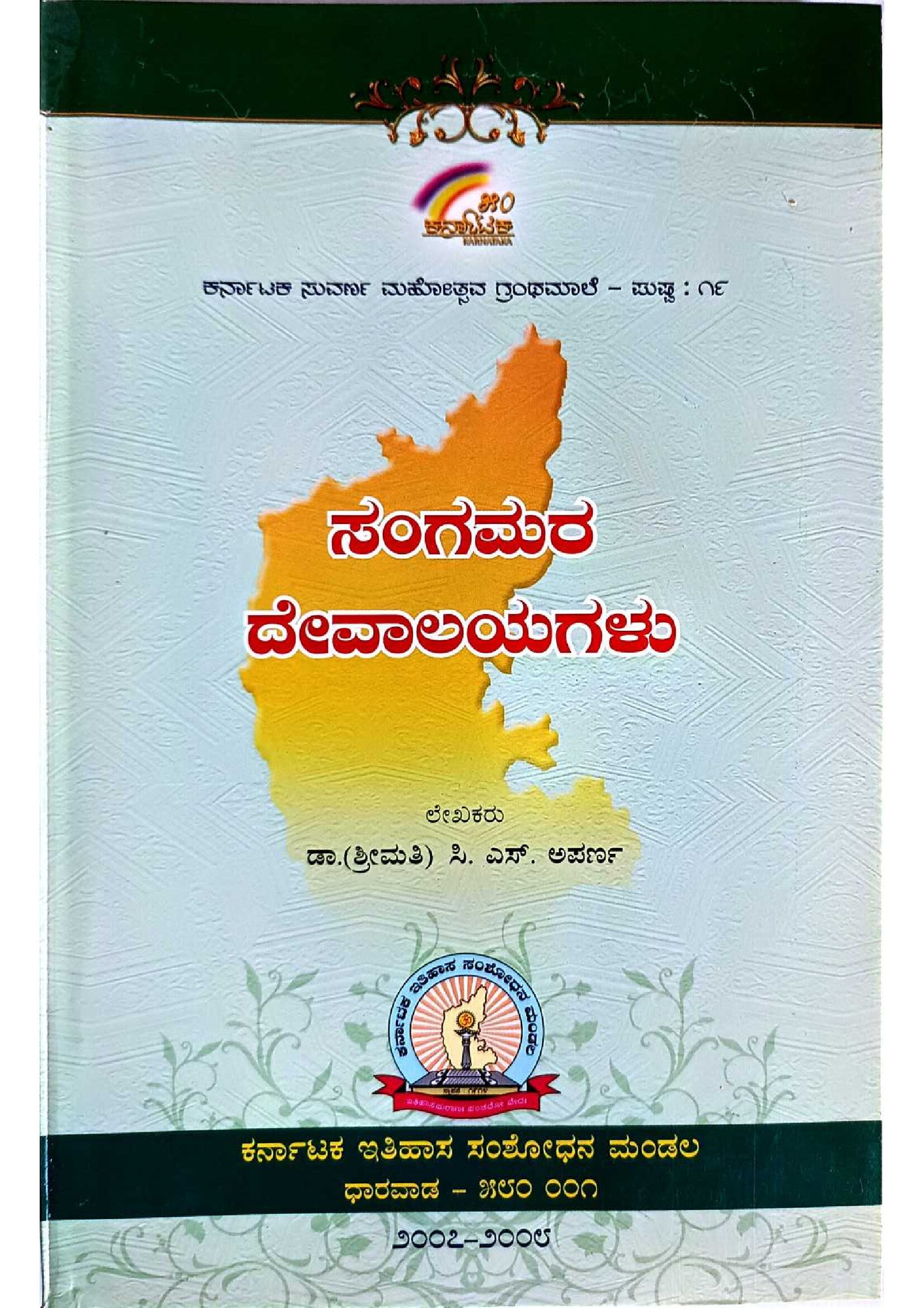
Sangamara Devalaya Temple Architecture Book
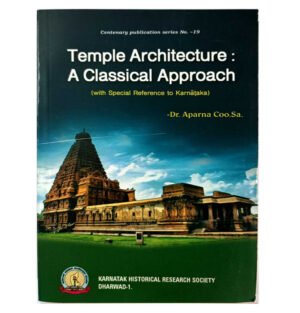
Sangamara Devalaya Temple Architecture Book is a deeply insightful and visually enriching scholarly work that explores the magnificent tradition of temple architecture in Karnataka. It serves as an important academic and cultural resource that documents the evolution of temple design, sculptural excellence, and religious heritage across different historical periods. The book beautifully captures the essence of Karnataka’s temple culture and presents it in a structured, informative, and engaging manner.
One of the most remarkable strengths of this Sangamara Devalaya Temple Architecture Book is its detailed exploration of temple architecture across major dynasties such as the Chalukyas, Hoysalas, Kadambas, and Vijayanagara rulers. Each dynasty contributed uniquely to temple construction, and the book carefully highlights these differences in style, structure, and artistic expression. From the intricate carvings of Hoysala temples to the grand scale of Vijayanagara architecture, the book provides a comprehensive understanding of how temple design evolved over centuries.
The Sangamara Devalaya Temple Architecture Book also highlights the craftsmanship of ancient architects and sculptors, who played a vital role in shaping Karnataka’s temple heritage. These artisans demonstrated extraordinary skill in stone carving, structural design, and symbolic representation. The book explains how their craftsmanship was not just technical but also deeply spiritual, reflecting devotion and artistic vision. Through clear descriptions and interpretations, readers gain appreciation for the level of detail and precision involved in ancient temple construction.
Another important aspect of Sangamara Devalaya Temple Architecture Book is its focus on the devotional and cultural significance of temples. Temples were not merely places of worship but also centers of social, cultural, and educational activity. The book explains how communities actively participated in temple construction and maintenance, reflecting collective devotion and shared cultural identity. This community involvement played a crucial role in preserving and promoting religious traditions across generations.
The influence of major South Indian dynasties is a central theme throughout the book. The Chalukyas introduced early structural innovations, the Kadambas contributed to foundational temple styles, the Hoysalas perfected intricate carvings and star-shaped platforms, and the Vijayanagara rulers created grand, expansive temple complexes. The book clearly explains these contributions, helping readers understand how each dynasty shaped Karnataka’s architectural legacy in unique ways.
One of the key highlights of this Sangamara Devalaya Temple Architecture Book is its use of clear illustrations and visual references. Temple architecture is best understood visually, and the inclusion of diagrams, photographs, and structural explanations enhances the reader’s comprehension. These visual aids help decode complex architectural elements such as mantapas, gopurams, sanctum layouts, and sculptural panels, making the book both educational and engaging.
The Sangamara Devalaya Temple Architecture Book also includes historical references and scholarly interpretations, which add depth to its content. Each temple or architectural feature is placed within its historical context, explaining the political, religious, and cultural influences behind its construction. This academic approach ensures that readers not only appreciate the beauty of temple architecture but also understand its historical significance.
From an academic standpoint, Sangamara Devalaya Temple Architecture Book is an invaluable resource for students, researchers, historians, archaeologists, and heritage enthusiasts. It provides well-researched content that can support academic study, field research, and cultural exploration. The clarity of explanation makes it suitable for both advanced scholars and general readers interested in Karnataka’s temple traditions.
The book also plays an important role in preserving Karnataka’s architectural heritage. Many ancient temples face the challenges of time, weathering, and urban development. By documenting their features and significance, this book helps preserve their legacy for future generations. It encourages readers to appreciate and protect these historical monuments as living symbols of cultural identity.
Another notable strength is the book’s balanced and accessible writing style. While it contains scholarly information, it is presented in a way that is easy to understand. This ensures that readers from different backgrounds can engage with the content without difficulty. The combination of academic depth and readability makes it a valuable addition to both personal and institutional libraries.
Overall, Sangamara Devalaya Temple Architecture Book is a unique and powerful contribution to the study of Karnataka’s temple heritage. It successfully blends history, architecture, culture, and devotion into a single cohesive narrative. The book not only educates but also inspires a deeper appreciation for the artistic and spiritual achievements of ancient Karnataka.
It stands as a meaningful tribute to the architects, sculptors, and communities who built and preserved these magnificent temples. For anyone interested in Indian temple architecture or Karnataka’s cultural history, this book is an essential and enriching read that offers lasting knowledge and inspiration.
Check other KHRS Books here
Read more about Temple Architecture here>






![[Top 10] Sangamara Devalaya – ಸಂಗಮರ ದೇವಾಲಯ (KHRS)](https://anuvirat.com/wp-content/uploads/2023/12/c63cf132bcb84340ab358eae7beaee5bBofGYqRVneopqg6Z-17-150x150.jpg)
Reviews
There are no reviews yet.