
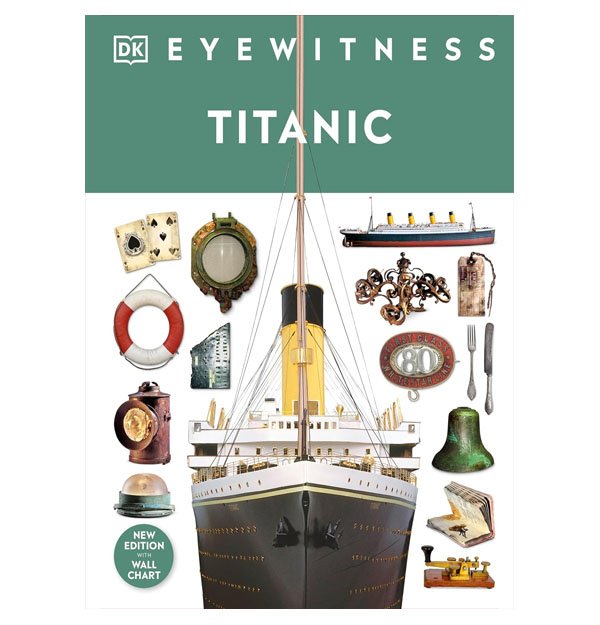


Titanic
Introduction: The Legacy of the Unsinkable Ship
The RMS Titanic was one of the largest and most luxurious vessels of its era. Built as the pinnacle of luxury and safety, it was famously deemed “unsinkable.” However, on April 14, 1912, just four days into its maiden voyage from Southampton to New York City, it struck an iceberg. In the early hours of April 15, this great ship sank, creating a legacy as one of history’s most infamous maritime disasters.
Construction and Design
This vessel was a marvel of Edwardian engineering. The White Star Line constructed it at the Harland & Wolff shipyard in Belfast, Ireland. Measuring over 882 feet long and 175 feet high, it was the largest ship ever built at that time. Designed to accommodate over 2,200 passengers, it featured grand dining rooms, opulent interiors, and luxurious first-class cabins. Its double-bottom hull and watertight compartments contributed to its reputation for safety.
Despite these features, it carried only 20 lifeboats, which was insufficient for the number of passengers on board. This shortage, along with poor evacuation procedures, led to tragic consequences during the disaster.
The Fateful Voyage
The ship departed from Southampton on April 10, 1912, with a mix of wealthy first-class passengers, middle-class travelers, and immigrants in third class. The journey proceeded smoothly until April 14, when it encountered a massive iceberg in the North Atlantic. Despite efforts to avoid the collision, the iceberg struck the starboard side, breaching several watertight compartments.
As water flooded in, panic ensued. Crew members attempted to load lifeboats, adhering to the rule of “women and children first.” However, with limited lifeboat capacity and inadequate organization, many lifeboats launched only partially filled. Of more than 2,200 people on board, over 1,500 lost their lives in the icy waters.
The Aftermath and Discovery
The sinking shocked the world and prompted significant changes in maritime safety regulations. It underscored the need for adequate lifeboats and better radio communication on passenger ships. In 1985, oceanographer Robert Ballard discovered the wreck, resting 12,000 feet below the surface. Remarkably well-preserved, the site reignited global fascination with this maritime tragedy.
Lasting Legacy
Today, the story of this ill-fated ship serves as a powerful symbol of human ambition and tragedy. The 1997 film Titanic, directed by James Cameron, introduced the tale to new audiences, while museums worldwide display artifacts to honor its memory. This narrative serves as a reminder of the potential for innovation and the unforeseen consequences that can arise.
Conclusion: A Story That Endures
The tale of this great ship combines grandeur, disaster, and profound human loss. It remains a captivating chapter in history, illustrating both the promise and peril of human endeavor. Through films, books, and exhibits, the legacy of those who were on board continues to resonate.








Reviews
There are no reviews yet.