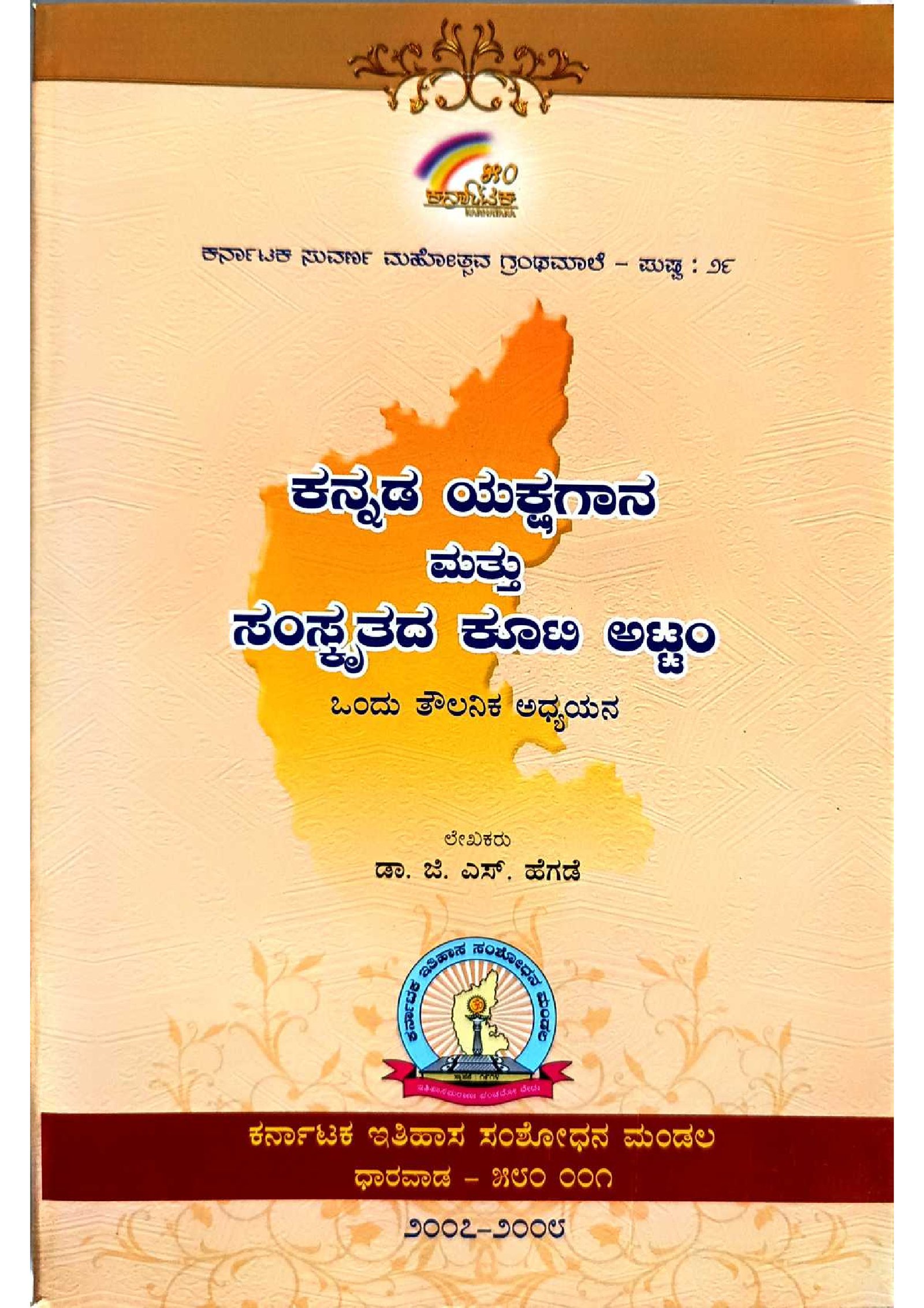
Kannada yakshagana samskruta kootu attam book
The Kannada Yakshagana & Samskruta Kootu Attam is a rich and scholarly work that explores two of Karnataka’s most vibrant and visually captivating traditional performance arts. This kannada yakshagana samskruta kootu attam book offers a detailed and insightful study of Kannada Yakshagana and Sanskrit Kootu Attam, highlighting their historical roots, artistic evolution, performance styles, music, costumes, and cultural significance. Designed for students, researchers, artists, and lovers of Indian performing arts, this kannada yakshagana samskruta kootu attam book serves as an important resource for understanding the depth and diversity of Karnataka’s theatrical heritage.
Yakshagana and Kootu Attam are not merely forms of entertainment; they are living traditions that blend storytelling, music, dance, spirituality, and community participation. This kannada yakshagana samskruta kootu attam book carefully traces the origins of these art forms, showing how they emerged from temple traditions and folk storytelling practices. Over centuries, they developed into sophisticated performance systems that continue to inspire audiences today.
One of the most fascinating aspects of the kannada yakshagana samskruta kootu attam book is its exploration of Yakshagana, a colorful and energetic dance-drama tradition known for its elaborate costumes, expressive makeup, and powerful storytelling. Yakshagana performances typically depict stories from the Ramayana, Mahabharata, and Puranas, bringing mythological characters to life on stage. The book explains how performers combine dance, dialogue, singing, and improvisation to create a dynamic theatrical experience that captivates audiences of all ages.
In contrast, the kannada yakshagana samskruta kootu attam book also delves deeply into the classical and highly stylized tradition of Samskruta Kootu Attam. This ancient Sanskrit theatre form is known for its refined acting techniques, symbolic gestures, and strong connection to temple rituals. The book explains how Kootu Attam preserves ancient theatrical traditions that date back thousands of years, making it one of the oldest surviving theatre forms in the world.
A major highlight of the book is its detailed discussion of performance techniques. Readers are introduced to acting styles, facial expressions, body movements, and gesture language used by performers. These elements demonstrate how performers communicate emotions and narratives through a combination of movement and expression. The book also examines how music and rhythm play a vital role in enhancing dramatic storytelling.
Costumes and stagecraft form another fascinating section of the book. Yakshagana is famous for its elaborate headgear, vibrant costumes, and striking face paint, which transform performers into mythological heroes and villains. The book explains how these visual elements are carefully designed to enhance storytelling and create a powerful stage presence. Similarly, the stage traditions of Kootu Attam are described in detail, including lighting techniques, stage layout, and symbolic props used in performances.
The book also highlights the cultural and social role of these art forms. Yakshagana performances often bring communities together during festivals and celebrations, strengthening cultural identity and shared heritage. Kootu Attam, with its deep spiritual roots, reflects the sacred connection between art and devotion. By studying these traditions, readers gain a deeper appreciation of how performing arts preserve history, values, and collective memory.
Another valuable aspect of the book is its exploration of regional variations. Different regions of Karnataka have developed their own styles and interpretations of Yakshagana and Kootu Attam. The book presents these variations in an accessible manner, helping readers understand the diversity within these traditions.
For students and researchers, this book offers a comprehensive introduction to traditional Indian theatre and performance studies. For artists and performers, it provides inspiration and knowledge that can be applied in creative practice. For general readers, it offers a fascinating journey into the world of classical and folk theatre.
In conclusion, Kannada Yakshagana & Samskruta Kootu Attam is a powerful and positive contribution to the preservation and study of Karnataka’s performing arts heritage. By documenting the history, techniques, and cultural significance of these traditions, the book ensures that the legacy of Yakshagana and Kootu Attam continues to inspire future generations.
Check other KHRS Books here
Know more aboutperforming arts in India here






Reviews
There are no reviews yet.