Indian Clubs
Long before “mobility training” became a modern fitness buzzword, Indian Clubs were already doing the work — quietly building fluid strength, shoulder health, and coordination through graceful, circular movements. Rooted in India’s traditional fitness practices and later adopted by gymnasts, athletes, and military training programs across the world, Indian Clubs remain one of the most effective yet underrated tools for developing controlled strength and joint mobility.
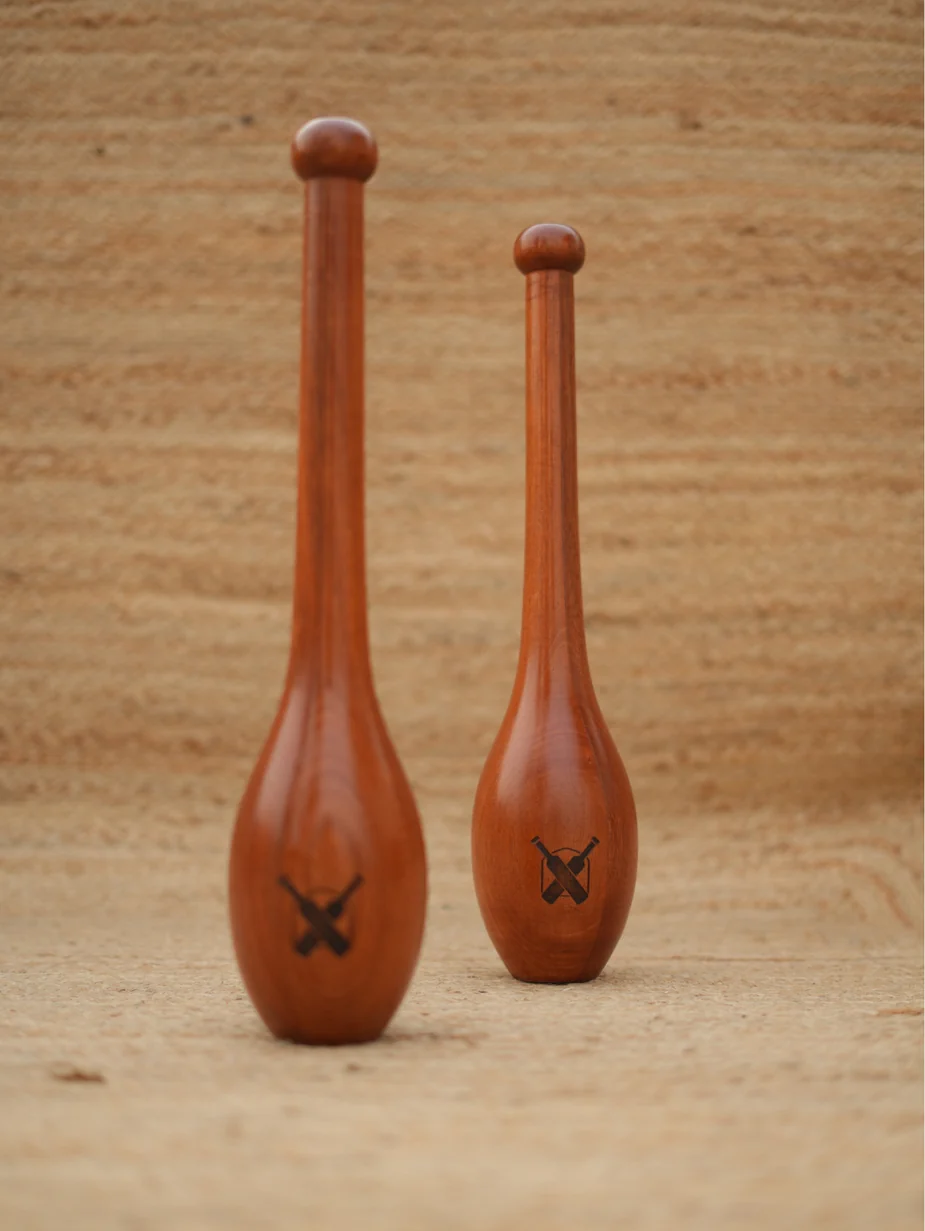
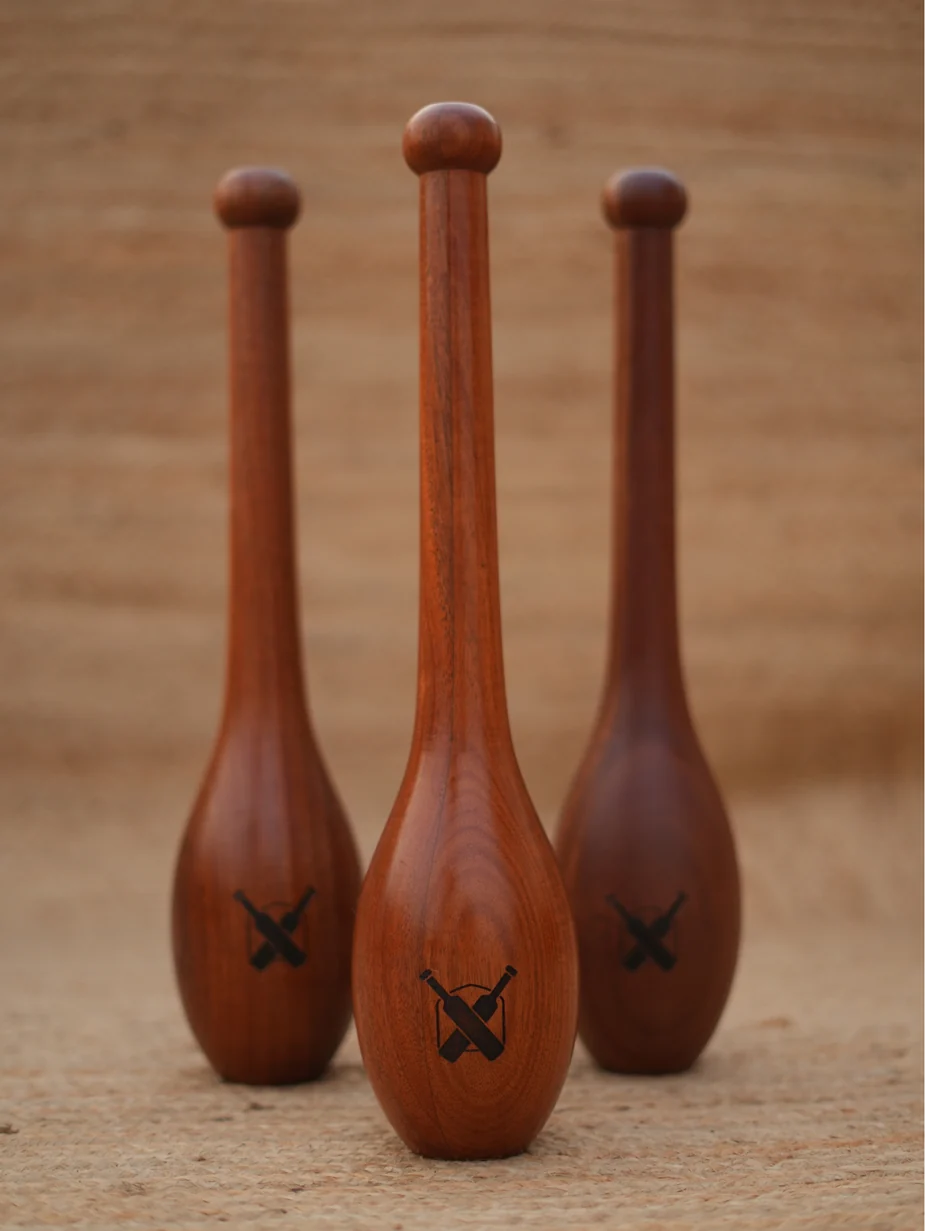
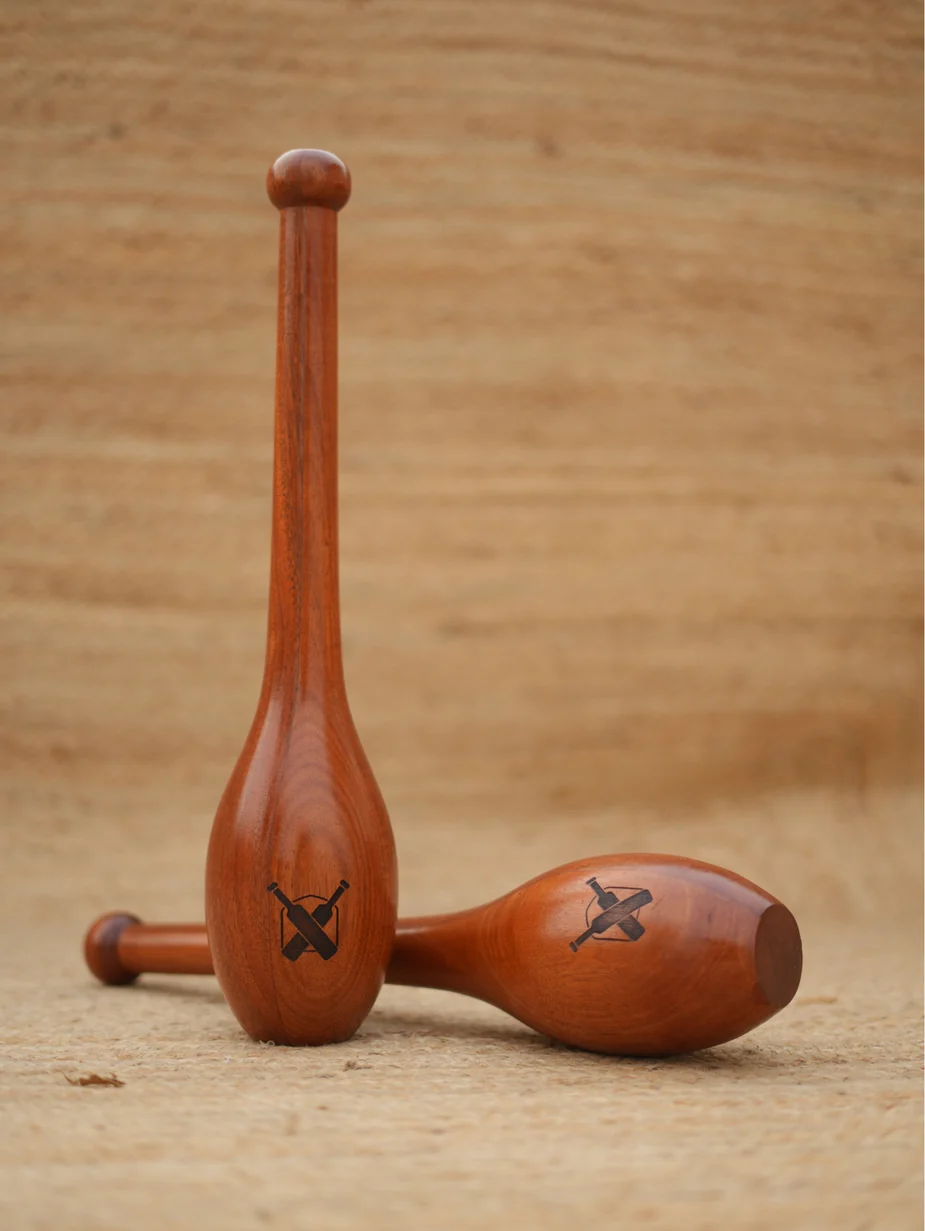
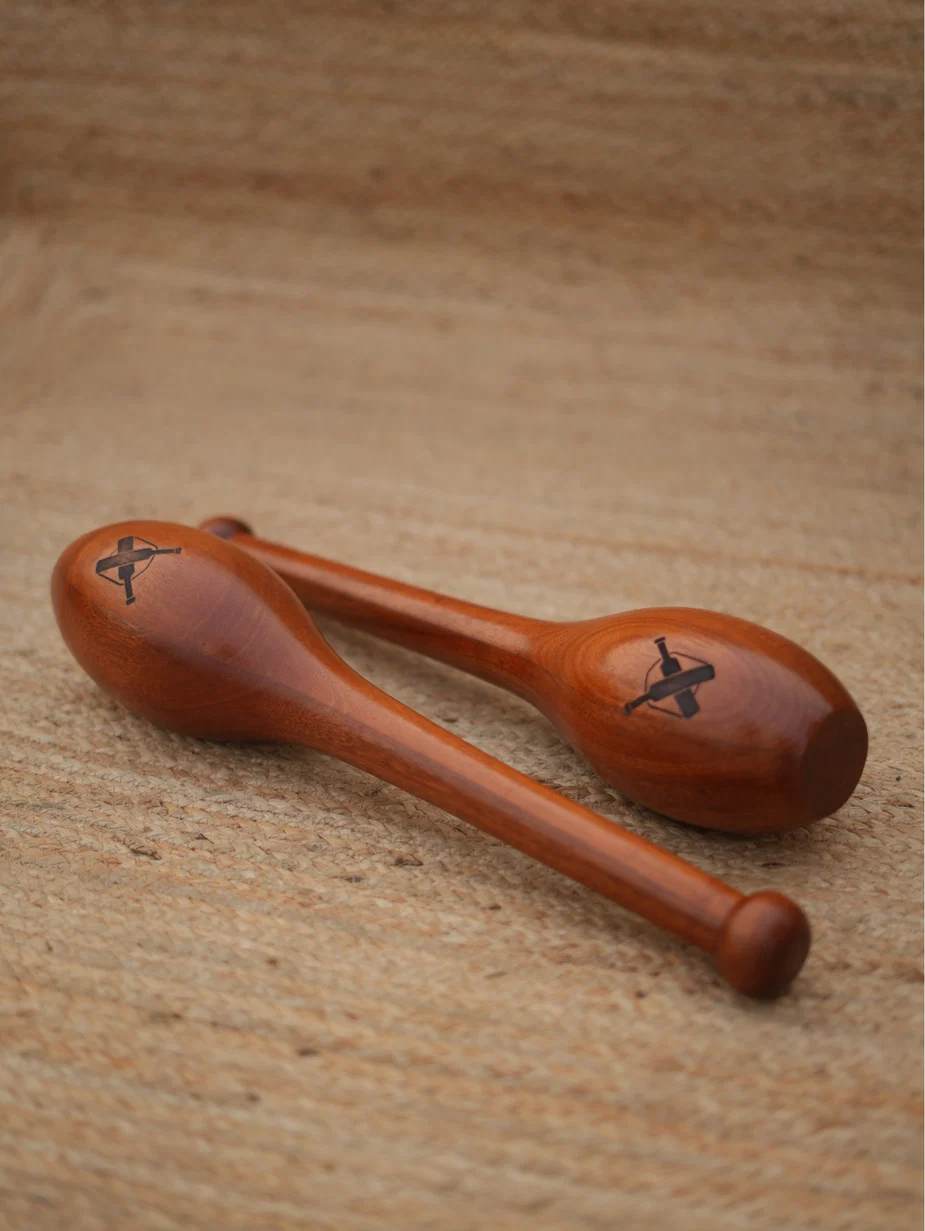
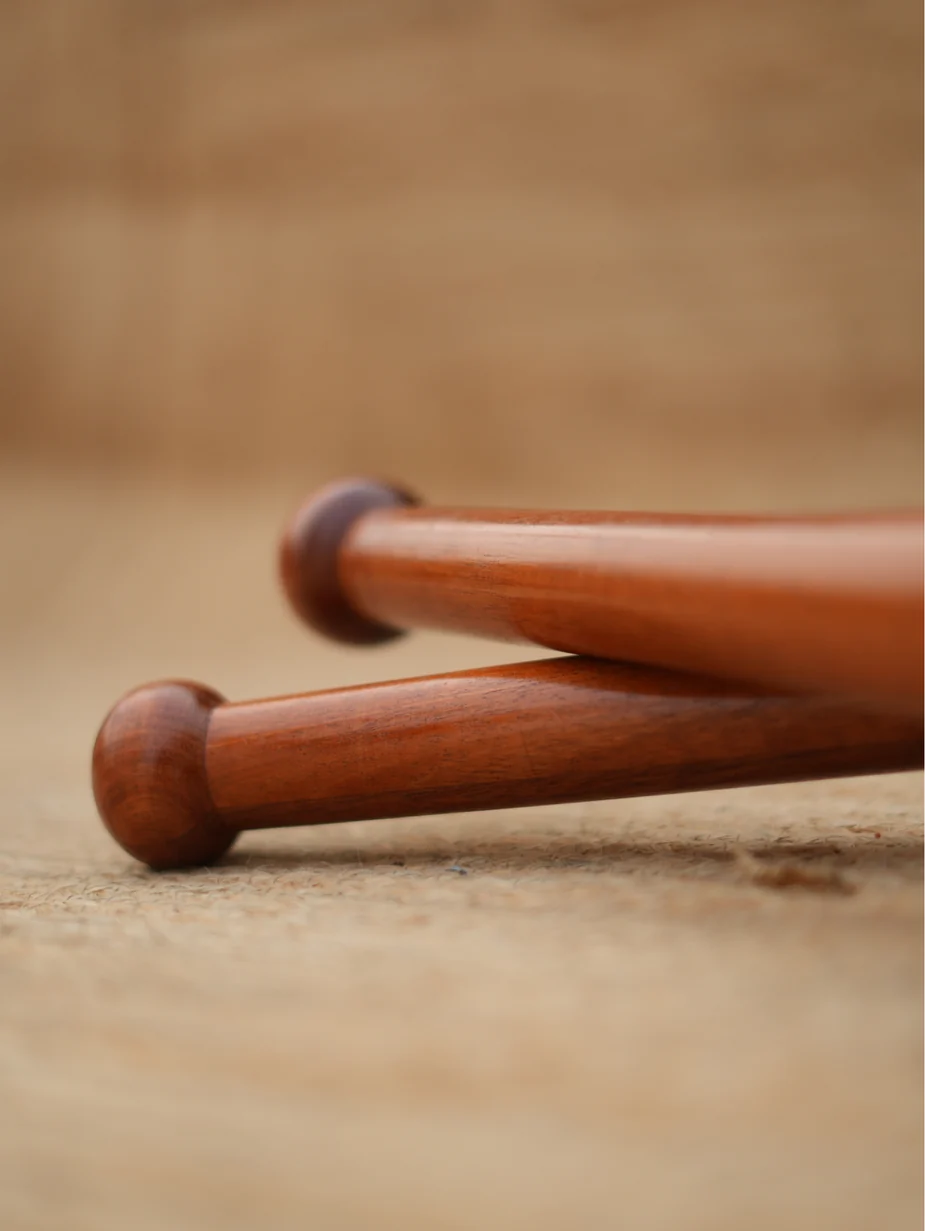
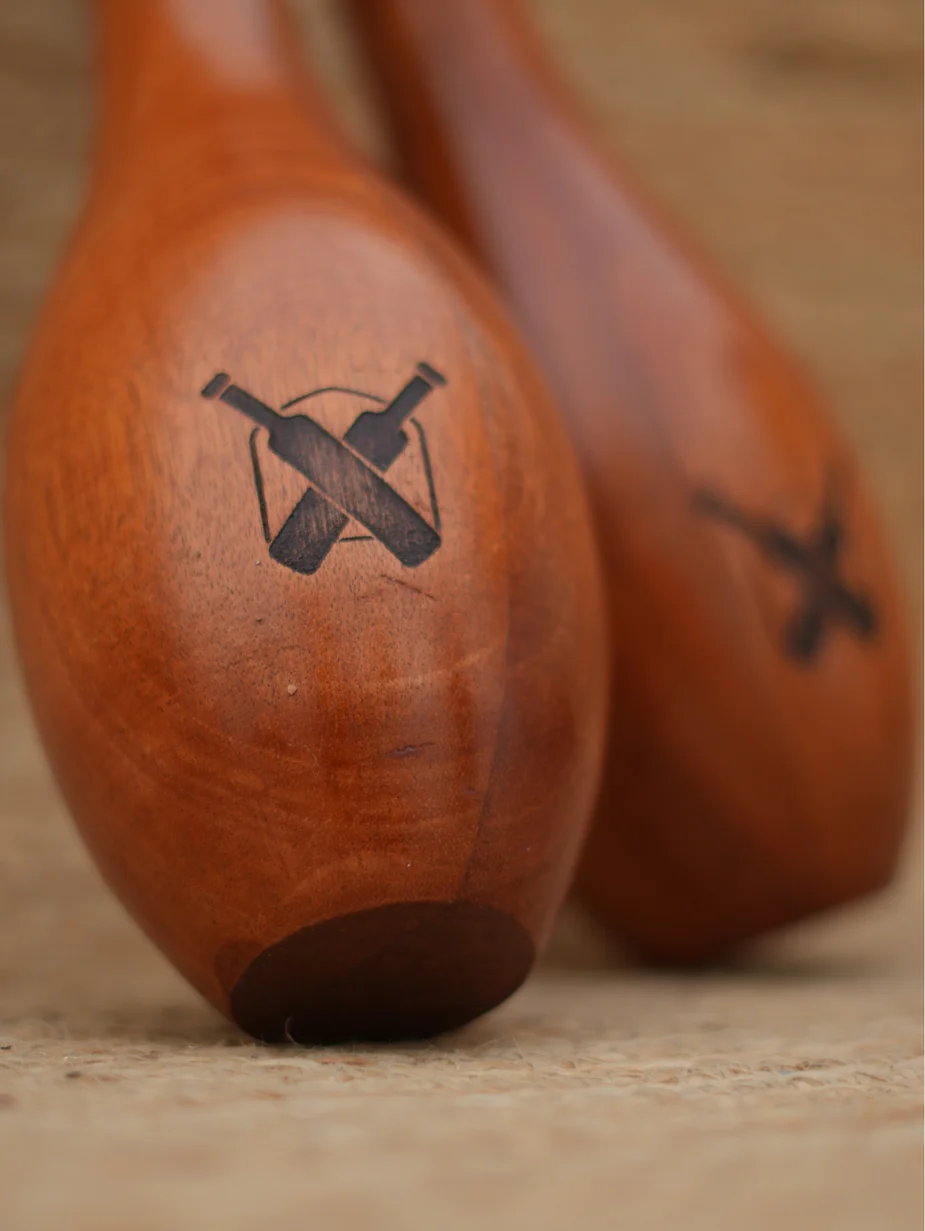
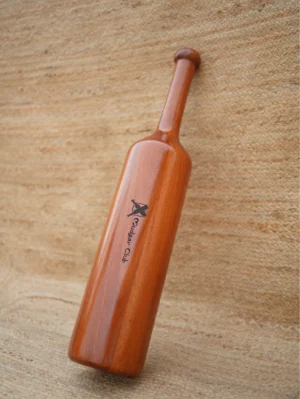
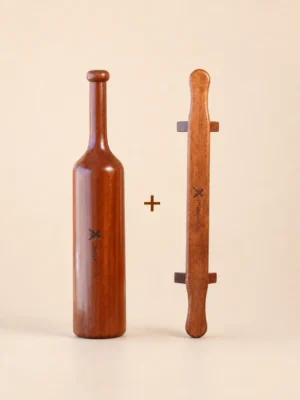
Shaped like elongated bottles with a wider base and tapering handle, Indian Clubs are designed to be swung in smooth, circular, and figure-eight patterns. Unlike static weights that move in straight, controlled paths, clubs demand continuous rotational control — training your shoulders, wrists, and core to move through their full range of motion with strength, precision, and grace.
Why Indian Clubs work differently
Most strength training focuses on linear, repetitive movement — push, pull, lift. Indian Clubs introduce something modern training often neglects: rotational, multi-directional movement. As you swing the clubs in circular patterns, your shoulder joints move through ranges rarely challenged by conventional weights, building not just strength, but genuine mobility, control, and injury resilience.
Key benefits of Indian Club training
- Improves shoulder mobility — circular swings take joints through their full range of motion, counteracting stiffness from modern sedentary lifestyles
- Builds coordination and rhythm — flowing, patterned movements sharpen mind-muscle connection and motor control
- Strengthens grip and forearms — controlling the club’s swing and momentum demands sustained grip engagement
- Enhances core and postural stability — rotational movement patterns challenge your core to stabilize continuously
- Builds functional, joint-friendly strength — ideal for those seeking strength training that’s gentler on joints than heavy static lifting
A tool with a rich, global training legacy
Indian Clubs trace their roots to traditional Indian physical culture, where they were used for building strength, stamina, and grace in movement. Their effectiveness didn’t go unnoticed — by the 19th century, Indian Clubs had spread globally, becoming a staple in British military training, American gymnasiums, and early physical education programs. Today, they’re experiencing a well-deserved revival among functional fitness practitioners, physiotherapists, and mobility-focused trainers who recognize what traditional Indian fitness culture understood centuries ago.
Who is this for?
- Mobility and flexibility seekers wanting to improve shoulder range of motion
- Desk-bound professionals looking to counteract shoulder stiffness and poor posture
- Athletes and martial artists seeking rotational strength and coordination
- Yoga practitioners wanting a complementary strength tool that mirrors flowing movement patterns
- Anyone rediscovering traditional fitness tools as an alternative to conventional gym equipment
- Rehabilitation and physiotherapy-focused individuals (with professional guidance) looking to rebuild joint control
How they’re traditionally used
Indian Club exercises typically involve swinging the clubs in circular, figure-eight, or pendulum patterns around the shoulders, working both arms in coordinated or alternating sequences. Beginners usually start with lighter clubs to master the flowing movement patterns before progressing to heavier ones as control and shoulder strength improve.
Crafted with tradition in mind
These Indian Clubs are designed to honor their traditional form — balanced, smooth, and built for genuine training use, staying true to the tools that shaped fitness practices across generations and continents.
Rediscover movement, not just muscle
Indian Clubs aren’t about brute force — they’re about building strength through fluid, controlled movement. Whether you’re chasing better shoulder mobility, coordination, or a deeper connection to a globally influential fitness tradition, Indian Clubs offer a training experience that’s as graceful as it is effective.
Note: Consult a fitness professional before beginning any new strength training routine, especially if you have pre-existing shoulder or joint conditions.
Check other FitnessEquipments here
Know more about Mudgar here






Reviews
There are no reviews yet.