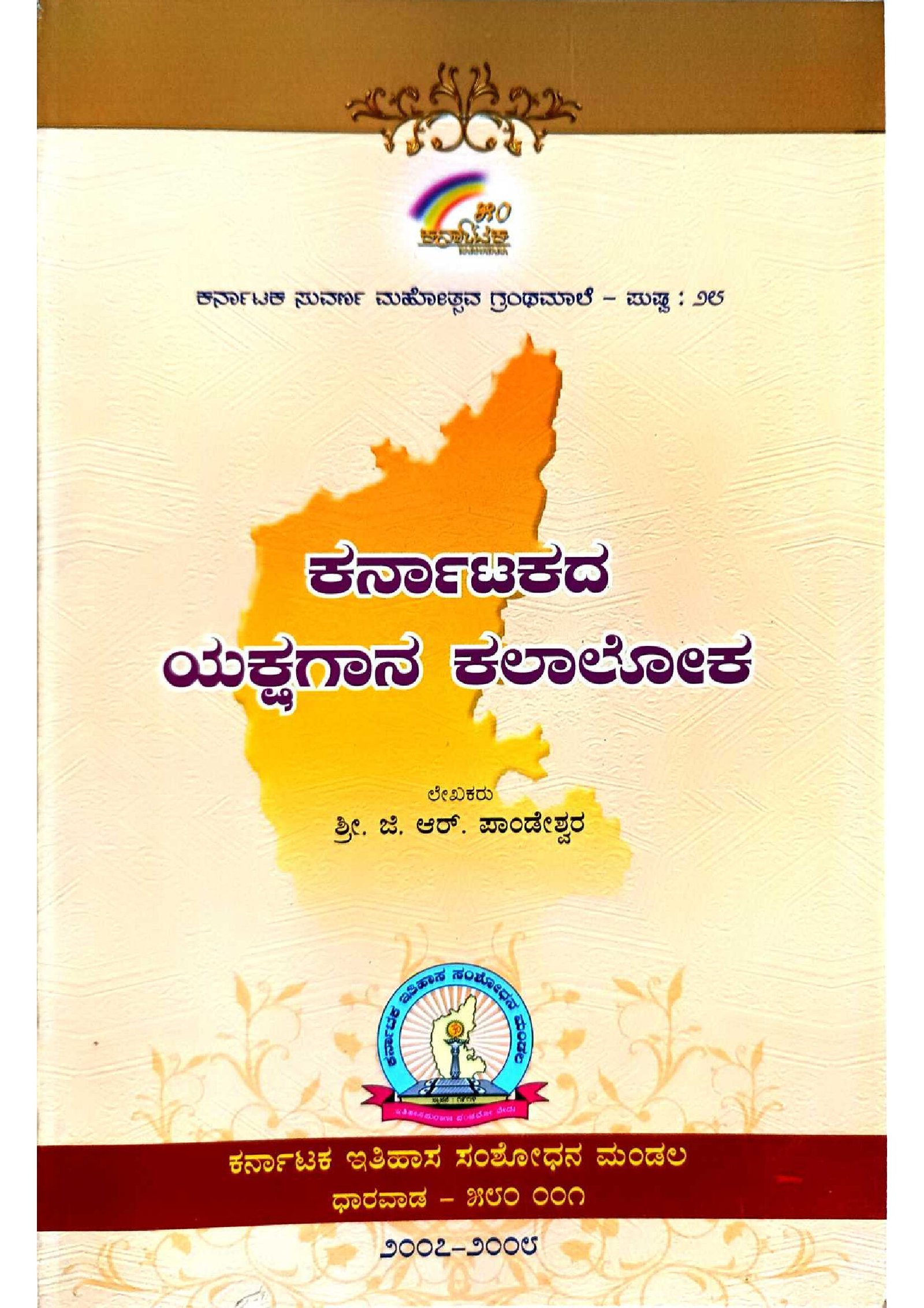
Yakshagana Art of Karnataka Book
Karnatakada Yakshagana Kalaloka is a comprehensive and scholarly work that celebrates the vibrant heritage and artistic depth of Yakshagana, the traditional dance-drama of Karnataka. This book offers readers a detailed exploration of the history, evolution, performance styles, music, costumes, and cultural relevance of this spectacular art form. It stands as an essential resource for students, researchers, artists, and anyone fascinated by Indian performing arts and Karnataka’s cultural legacy.
Yakshagana is more than a performance tradition—it is a living expression of devotion, storytelling, and community celebration. Originating in the coastal districts of Karnataka, Yakshagana blends dance, drama, music, dialogue, costume design, and spiritual storytelling into a powerful theatrical experience. This book provides a clear and engaging introduction to how Yakshagana developed over centuries and how it continues to remain relevant in contemporary cultural life.
One of the most valuable aspects of this Yakshagana Art of Karnataka Book is its historical perspective. It traces the roots of Yakshagana to ancient temple traditions, folk theatre, and devotional movements. Readers gain insight into how religious narratives, particularly from the Ramayana, Mahabharata, and Puranas, shaped Yakshagana’s themes and storytelling style. By connecting the art form with broader historical and cultural movements, the book helps readers understand Yakshagana not just as entertainment but as a spiritual and social phenomenon.
The Yakshagana Art of Karnataka Book also offers a detailed analysis of Yakshagana performance techniques. It explains the structure of a typical performance, from the opening rituals to the dramatic climax. Readers learn about the roles of the Bhagavata (lead singer and narrator), musicians, and performers who bring mythological characters to life on stage. The improvisational dialogue, energetic dance movements, and rhythmic percussion are described with clarity, helping readers visualize the dynamic atmosphere of a Yakshagana performance.
Music plays a central role in Yakshagana, and the Yakshagana Art of Karnataka Book dedicates significant attention to this aspect. It explains the unique musical style, instruments, and rhythmic patterns that define Yakshagana performances. The use of traditional instruments such as the chande and maddale creates a powerful and immersive soundscape that enhances the dramatic storytelling. The Yakshagana Art of Karnataka Book also discusses how music and rhythm guide the actors’ movements and expressions, creating a seamless blend of sound and performance.
Costumes and makeup are among the most striking features of Yakshagana, and this book provides a fascinating look at their symbolism and craftsmanship. Elaborate headgear, vibrant costumes, and detailed facial makeup transform performers into mythological heroes, demons, and divine beings. The book explains how these visual elements are designed and how they contribute to the dramatic impact of the performance. Readers gain an appreciation for the artistic skill and dedication involved in preparing for a Yakshagana production.
Another important highlight of the Yakshagana Art of Karnataka Book is its exploration of regional variations. Yakshagana is not a single uniform tradition; it has evolved into different styles across Karnataka, particularly the Badagutittu and Tenkutittu styles. The book compares these variations, highlighting their unique characteristics in dance, music, costume, and performance techniques. This comparative approach enriches the reader’s understanding of the diversity within the Yakshagana tradition.
The cultural significance of Yakshagana is a recurring theme throughout the book. It explains how Yakshagana serves as a medium for preserving language, folklore, and moral values. Performances often bring communities together, especially during festivals and temple celebrations. Through this art form, generations have learned stories of courage, devotion, and righteousness. The book emphasizes Yakshagana’s role in strengthening cultural identity and promoting artistic expression.
This work is designed to be accessible and informative. With well-structured chapters, historical references, and engaging descriptions, it presents complex cultural and artistic ideas in a reader-friendly manner. Whether you are a scholar studying Indian performing arts or a cultural enthusiast eager to learn more, this book offers valuable insights and inspiration.
Overall, Yakshagana Art of Karnataka Book is a powerful tribute to one of India’s most colorful and dynamic traditional art forms. By documenting its history, techniques, and cultural importance, the book helps preserve Yakshagana for future generations. It invites readers to appreciate the beauty, devotion, and creativity that define this extraordinary theatrical tradition.
Check other KHRS Books here
Know more about Yakshagana here



Reviews
There are no reviews yet.