Sattaka Literature Study
The Sattaka is a distinctive literary form in Prakrit that evolved gradually over centuries from the early traditions of dramatic entertainment in India. Though relatively limited in number, the Sattakas occupy an important place in the history of Indian literature due to their unique structure, language, and cultural significance. Sattaka Literature Study represents a refined stage in the development of Prakrit drama, bridging the gap between classical Sanskrit theatre and regional literary expressions.
Prakrit, as a group of Middle Indo-Aryan languages, was widely used in ancient India for literary and theatrical purposes, particularly in works intended for broader audiences. While Sanskrit was often associated with elite and scholarly traditions, Prakrit provided a more accessible medium of expression. The Sattaka, composed in Prakrit, reflects this accessibility and highlights the evolving tastes of audiences who appreciated both artistic sophistication and linguistic familiarity. In this context, Sattaka Literature Study becomes essential for understanding how language shaped dramatic expression.
The origins of the Sattaka can be traced back to early forms of dramatic entertainment, where storytelling, music, and performance were combined to create engaging theatrical experiences. Over time, these performances became more structured, eventually giving rise to specialized forms like the Sattaka. Unlike larger and more elaborate dramatic works, Sattakas are generally shorter and more focused, often centering on themes of love, romance, and social interaction. Their concise nature allows for a concentrated exploration of emotions and character dynamics, which is a key focus of Sattaka Literature Study.
One of the most significant developments in the study of Sattakas occurred at the beginning of the twentieth century. The genre attracted considerable scholarly attention when Professor Sten Konow, inspired by his teacher Professor R. Pischel, published a critical edition of the Karpüramañjarī Sattaka in 1900 A.D. This work was included as Volume IV of the Harvard Oriental Series, marking an important milestone in the academic recognition of Prakrit literature. This moment significantly advanced Sattaka Literature Study, making texts more accessible and encouraging deeper research.
Following this pioneering effort, several eminent scholars contributed significantly to the field by editing and analyzing the available Sattakas. Scholars such as Dr. M. M. Ghosh, Dr. A. N. Upadhye, Professor N. G. Suru, and Dr. R. P. Poddar worked diligently to produce critical editions of the five known Sattakas. Their efforts involved careful examination of manuscripts, textual comparisons, and detailed commentary. These contributions laid a strong foundation for Sattaka Literature Study, ensuring reliable texts for future scholars.
In addition to textual editing, these scholars also provided valuable insights into the literary, historical, and linguistic aspects of the Sattakas. Their studies explored the structure, themes, and stylistic features of the genre, shedding light on its place within the broader tradition of Indian drama. By analyzing the language and narrative techniques used in Sattakas, they enriched Sattaka Literature Study and deepened our understanding of Prakrit as a literary medium.
The scholarly discourse surrounding Sattakas was further enriched by the contributions of renowned orientalists and literary critics. Professors Sylvain Lévi, A. B. Keith, R. V. Jahagirdar, and I. Shekhar, among others, offered critical views and interpretations of the genre. Their work addressed various issues related to the origin, classification, and artistic value of Sattakas. Such discussions played a vital role in expanding Sattaka Literature Study, bringing multiple perspectives into the academic conversation.
These discussions highlighted the complexity of the Sattaka as a literary form. While some scholars viewed it as a minor or derivative genre, others recognized its unique qualities and its role in reflecting the cultural and social milieu of its time. The emphasis on romantic themes, the use of Prakrit language, and the compact structure of Sattakas distinguish them from other dramatic forms. These aspects are central to Sattaka Literature Study, which seeks to evaluate their independent literary merit.
Despite their limited number, Sattakas have had a lasting impact on the study of Indian literature. They provide valuable insights into the evolution of dramatic traditions, the use of language in performance, and the preferences of audiences in different historical periods. Moreover, they serve as important sources for understanding the development of Prakrit literature and its interaction with Sanskrit and regional languages. Such insights continue to strengthen Sattaka Literature Study as an important academic field.
In conclusion, the Sattaka is a significant yet often overlooked genre that reflects the richness and diversity of Indian literary traditions. Its evolution from early dramatic entertainment, combined with its later scholarly recognition, underscores its importance in the history of literature. The dedicated efforts of scholars over the past century have ensured that these works continue to be studied and appreciated. Today, Sattaka Literature Study stands as a vital area of research, offering valuable perspectives on language, culture, and artistic expression in ancient India.
Check other Medha Publisher books here
To know more about Literature here


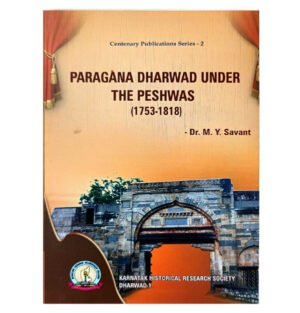
![[1 Scholarly Work] Sattaka Literature: A Study – Prakrit Dramatic Genre Analysis - Image 2](https://anuvirat.com/wp-content/uploads/2025/11/Sattaka-Literature-A-Study-img1.jpg "[1 Scholarly Work] Sattaka Literature: A Study – Prakrit Dramatic Genre Analysis 2")
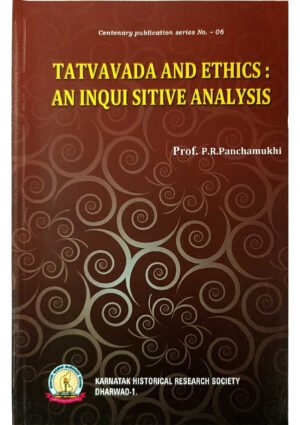
![[1 Scholarly Work] Sattaka Literature: A Study – Prakrit Dramatic Genre Analysis - Image 3](https://anuvirat.com/wp-content/uploads/2025/11/Sattaka-Literature-A-Study-img2.jpg "[1 Scholarly Work] Sattaka Literature: A Study – Prakrit Dramatic Genre Analysis 3")
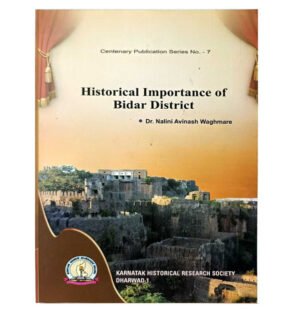
![[1 Scholarly Work] Sattaka Literature: A Study – Prakrit Dramatic Genre Analysis - Image 4](https://anuvirat.com/wp-content/uploads/2025/11/Sattaka-Literature-A-Study-img3.jpg "[1 Scholarly Work] Sattaka Literature: A Study – Prakrit Dramatic Genre Analysis 4")

![[1 Scholarly Work] Sattaka Literature: A Study – Prakrit Dramatic Genre Analysis](https://anuvirat.com/wp-content/uploads/2025/11/Sattaka-Literature-A-Study-150x150.jpg)
Reviews
There are no reviews yet.